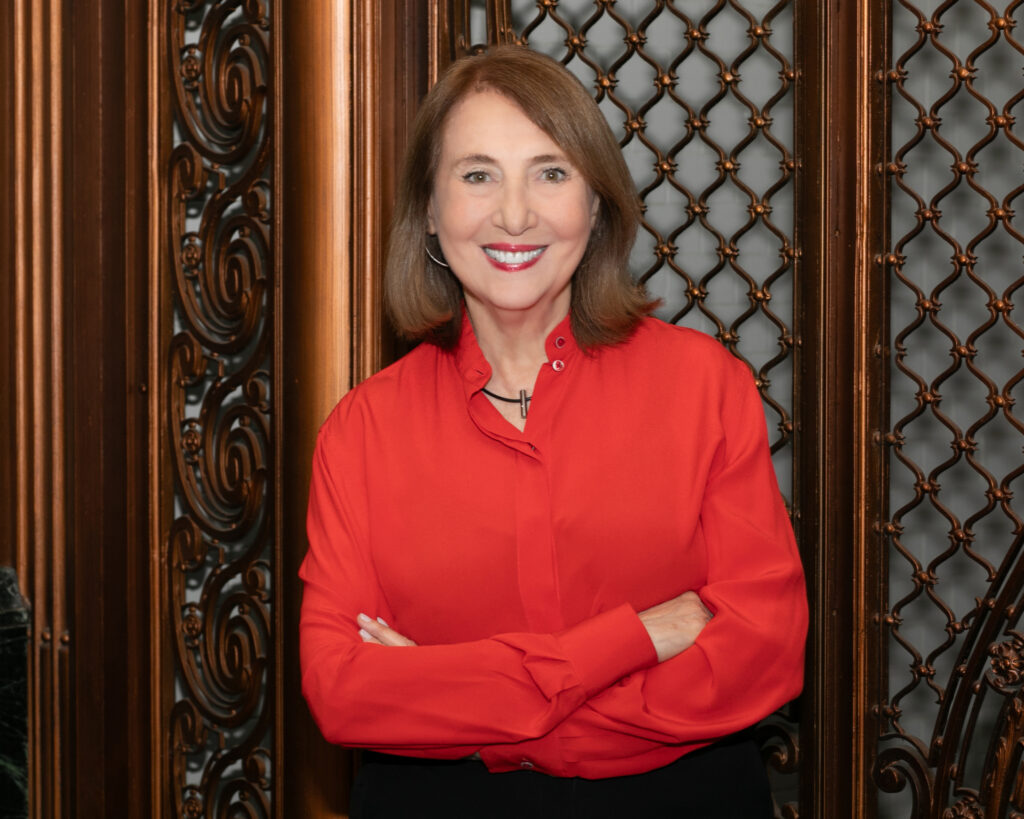
admincathy

Co-Founding Director, John Hope Franklin Humanities Institute

The mission of the John Hope Franklin Humanities Institute at Duke University is to encourage and enable serious humanistic inquiry, and to promote a heightened awareness of the centrality of the humanities to the quality of human life, social interaction, and scholarship in all fields. To these ends, we emphasize a broad conception of interdisciplinarity Co-Founding Director, John Hope Franklin Humanities Institute

Badging

Digital badges are a powerful new tool for identifying and validating the rich array of peoples’ skills, knowledge, accomplishments and competencies. The world is changing fast and, today more than ever, traditional modes of assessment fail to capture the learning that happens everywhere and at every age.   Digital badges inspire new pathways to learning and Badging

Peer-taught classes

In 2006, Davidson began teaching classes where students work in teams of two or four (depending on the class size) and set the syllabus and assignments for the other students.   All assignments are conducted in public online, with students using pseudonyms to comply with FERPA rulings, except in two “public contributions to knowledge,” where students Peer-taught classes

Peer to Peer Assessment

Davidson has been a national leader in proposing, exploring, designing, and utilizing new forms of assessment, ranging from badging to contract grading to peer-to-peer assessments (gaining notoriety with a blog “How To Crowdsource Grading”). http://hastac.org/blogs/cathy-davidson/how-crowdsource-grading Erica Hendry, “Duke Professor Uses ‘Crowdsourcing’ to Grade,” Wired Campus, Chronicle of Higher Education, July 30, 2009. http://chronicle.com/blogs/wiredcampus/duke-professor-uses-crowdsourcing-to-grade/7538  

Degree of freedom: Interview with Cathy Davidson

Cathy Davidson was interviewed by Ethan Solomon from Duke University. Read the degree of freedom introduction below and listen to the podcast here!   Today’s interview is with Cathy Davidson, John Hope Franklin Institute Professor of Interdisciplinary Studies at Duke University, author of Now You See It: How Technology and Brain Science Will Transform the Way We Live, Degree of freedom: Interview with Cathy Davidson

LA Review of Books: MOOCs and the Future of the Humanities: A Roundtable (Part 2)

IN LITTLE MORE THAN A YEAR, discussion of the role of online learning in higher education has undergone a qualitative shift. With the launch of for-profit educational start-ups such as Coursera, Udacity, and the MIT and Harvard-founded nonprofit platform edX, Massive Open Online Courses (MOOCs) have moved from obscure experiment to major initiative. MOOCs are LA Review of Books: MOOCs and the Future of the Humanities: A Roundtable (Part 2)

History and Future of (Mostly Higher) Education: Week One

In an earlier blog, “Clearing Up Some Myths About MOOCs” (http://hastac.org/blogs/cathy-davidson/2013/06/11/clearing-some-myths-about-moocs ),  I promised to keep a log of time, expense, human resources, ideas, drafts, syllabi, books, articles, assignments, and other MOOC-y features, as they emerge, for the free, six-week course I’ll be offering in January 2014, “The History and Future of (Mostly Higher) Education:  History and Future of (Mostly Higher) Education: Week One