Cathy Speaks to a Packed House at CUNY
Cathy spoke to a packed house at CUNY Graduate Humanities Center on Monday, September 13. Thanks to Kandice Chuh for a great action shot! Can you see the gorilla???
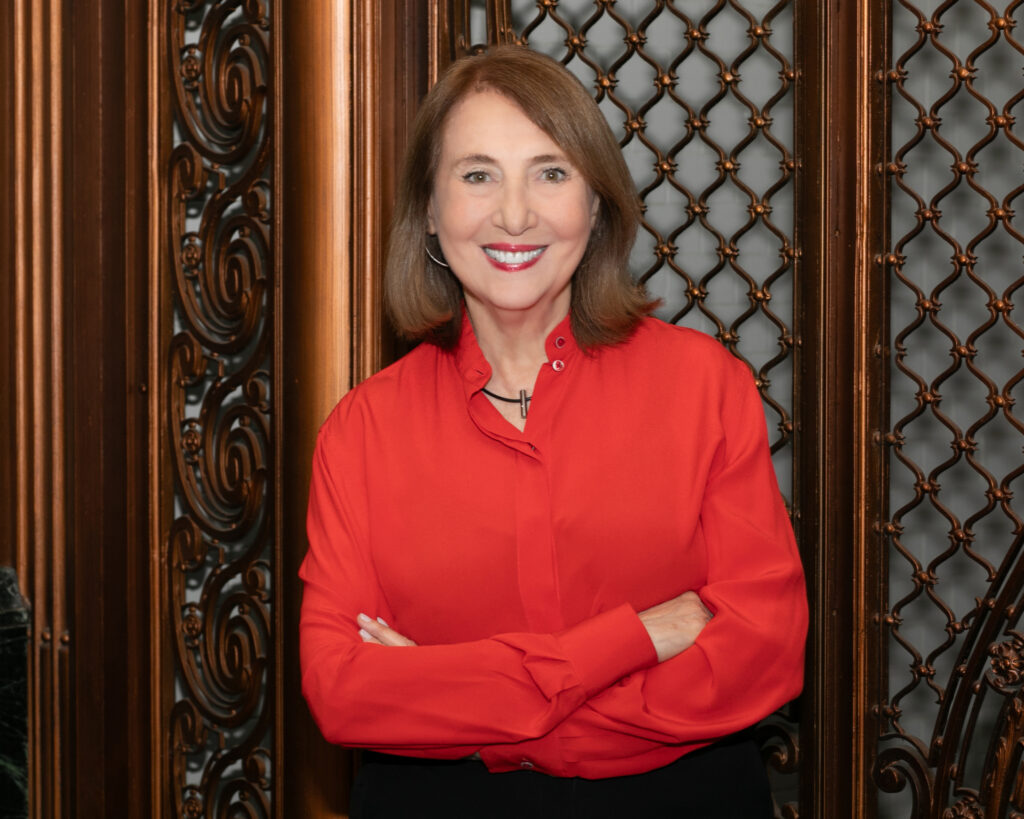
Cathy spoke to a packed house at CUNY Graduate Humanities Center on Monday, September 13. Thanks to Kandice Chuh for a great action shot! Can you see the gorilla???
Two upcoming events at universities in New York City are free and open to the public. Come on out! Monday, September 12, @CUNY, 6:30pm CUNY Graduate Humanities Center Tuesday, September 13, @NYU, 5pm New York University, The Humanities Initiative
When Duke University decided to give free iPods to its 2003 incoming freshmen class, a whole slew of critics reproached the university asking why give students an unneeded source of distraction? The results of this experiment were surprisingly positive. By the year’s end, students found very creative ways to use the iPods in their respective … 89.3 KPCC | Southern California Public Radio
Ah, school’s back in session. And with every new semester, we hear claims that the western education system is broken. That modern modes of instruction are outdated and unable to cope with the demands of the 21st century workforce. Enter Duke University professor Cathy N. Davidson, author of the new book Now You See It: … Spark on CBC Radio with Nora Young
This week on Skepticality, Derek talks with author and professor Cathy N. Davidson, co-founder of HASTAC, “Humanities, Arts, Science, and Technology Advanced Collaboratory”, about her recently released book, “Now You See It”, which tells the fascinating story of how our understanding of human attention and learning can be used to enhance and change the manner … Skepticality™: The Official Podcast of Skeptic Magazine and the Skeptics Society
‘How the Brain Science of Attention Will Transform the Way We Live, Work, and Learn’ By Whitney Burke September 7, 2011 – 10:00am Reblogged from DML central Duke University’s Cathy Davidson has staked out a reputation as a creative intellectual force committed to remaking the industrial model of education. In 2010, President Obama nominated her … DMLcentral Blog, Sept. 7, 2011
I am thrilled to be speaking at the Vision and Voices series at USC this Thursday, September 8, at 7pm. The event is free and open to the public with a reception to follow. Hope to see you there! University Park Campus The Ray Stark Family Theatre School of Cinematic Arts 108 900 W. 34th … Catch me in California this week!
The point I am making in response to this very long and often exceptionally thoughtful essay by Richtel is that the issue of “technology” is inseparable from all the ways we think, communicate, and interact today. Of course we need to teach kids how to be successful in their world. That also means not “teaching to the test” but working with teachers to teach this technology in the best ways possible. In studying how to do this in the course of my research for Now You See It, some of the most brilliant and inspiring teaching I observed prepared students for technology with things like scissors, construction paper, popsicle sticks. It taught them to think structurally and interactively, not just to Google the right answer. That’s the deal. We are wasting our money and the time our kids spend in school if we just throw a bunch of technology into the classroom without helping them to understand that technology.
Cathy Davidson spoke in the Perkins Library Rare Book Room. View the presentation on the Duke “On Demand” website.
I wish every library and every school adopted this “human library” program. Think of the human resources we could take advantage of! Think about what a great project it would be for kids to be able to nominate a human resource, to pitch the nominee to their fellow students. A beloved grandfather who fought in the Vietnam War. A blind grandmother with stories to tell. A friend down the block from Afghanistan. An entrepreneur who once did jail time and learned, in prison, how to read. Every child knows someone amazing. This could be a no-cost learning opportunity that everyone would learn from. Let’s do it!